
Iron Deficiency in Crops (Iron Chlorosis): Causes, Symptoms, and Solutions
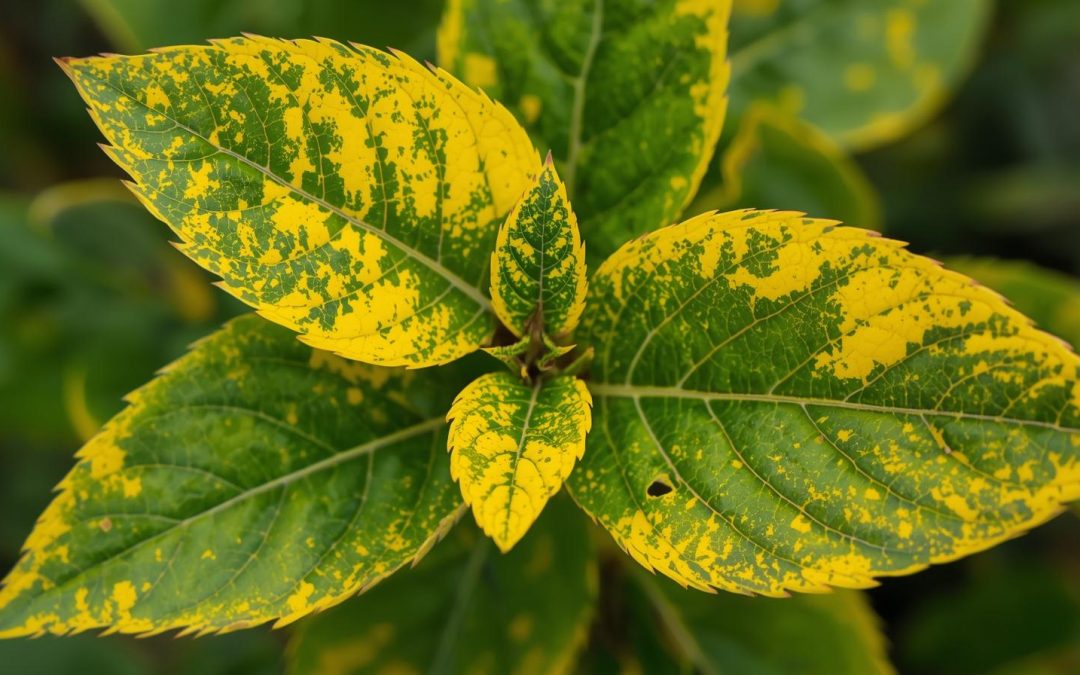
Iron deficiency in crops, also known as iron chlorosis, is one of the most common nutritional imbalances in modern agriculture. It particularly affects crops grown in calcareous, alkaline, or waterlogged soils, leading to a gradual loss of green color in the leaves and reduced crop performance.
Iron Deficiency in Crops
According to the FAO, iron is an essential micronutrient for photosynthesis and chlorophyll formation. When plants cannot absorb enough of it, their development becomes compromised.
What Is Iron Chlorosis?
Iron chlorosis occurs when the plant is unable to absorb or mobilize the iron available in the soil, even if this element is present.
Iron (Fe) plays a vital role in chlorophyll formation and in various enzymatic processes related to respiration and photosynthesis.
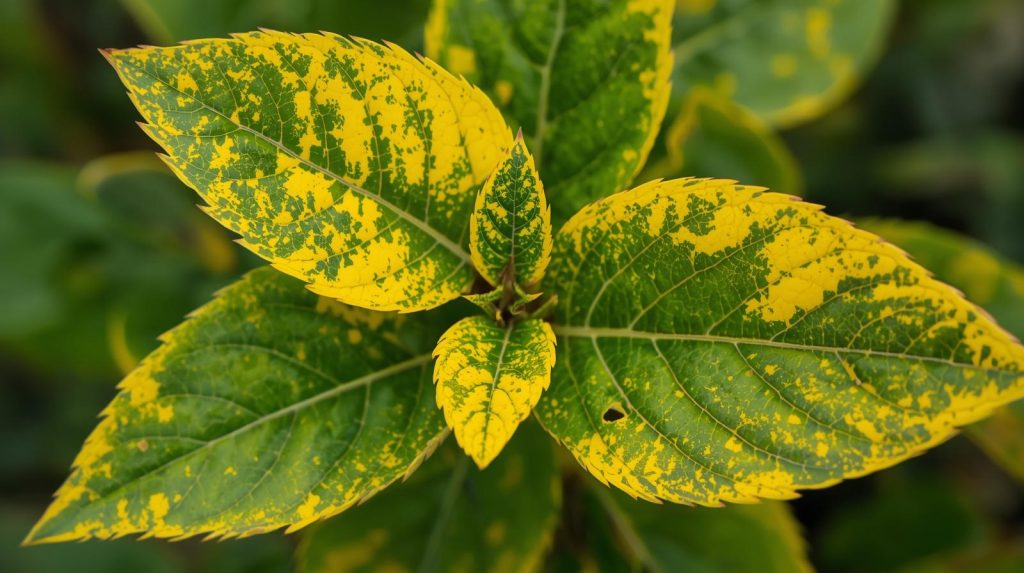
When a deficiency occurs, the plant cannot synthesize enough chlorophyll, leading to the characteristic discoloration of young leaves.
Visible Symptoms of Iron Deficiency
Recognizing iron deficiency in crops early is key to avoiding yield losses.
The most common symptoms include:
- Yellowing of young leaves while veins remain green.
- Smaller leaves and slower growth.
- In severe cases, necrosis or drying of leaf edges.
- Reduced overall vigor and root development.
This type of chlorosis usually begins in the upper part of the plant and progresses downward.
Main Causes of Iron Deficiency
Although often associated with a lack of iron, in most cases the issue lies in iron availability, not its actual amount.
The most common causes include:
- High soil pH (alkalinity): iron becomes insoluble and unavailable.
- Excess active limestone: common in calcareous soils.
- Poor aeration or inadequate drainage.
- Competition with other nutrients such as phosphorus, copper, or manganese.
- Water stress or extreme temperatures, which reduce root activity.
More information about iron’s role in soils can be found at the National Institute for Agricultural Research (INIA).
Consequences of Iron Chlorosis
If not corrected, iron deficiency can lead to:
- Reduced photosynthetic activity.
- Limited vegetative growth.
- Decrease in flowering and fruit set.
- Loss of productivity and fruit quality.
In the long term, nutritional stress can make plants more susceptible to diseases and reduce their productive lifespan.
How to Prevent and Correct Iron Deficiency
Prevention is always the most effective strategy.
Some key practices include:
1. Adjust Soil pH
Keeping soil pH slightly acidic (6.0–6.5) improves the availability of iron and other micronutrients.
2. Improve Soil Structure
Good aeration and drainage help roots absorb essential elements effectively.
3. Apply Biostimulants and Corrective Products
Using biostimulants with amino acids and natural extracts can boost nutrient uptake and reduce stress impact.
Iron chelates are also effective correctors when nutrient blockage is severe.
4. Avoid Nutritional Imbalances
Balanced management of phosphorus, calcium, and manganese is crucial to prevent iron immobilization in the soil.
HEFE Fertilizer’s Approach
At HEFE Fertilizer, we offer natural solutions to prevent and correct iron chlorosis:
- HUMIXTRACT: improves soil structure, balances pH, and stimulates microbial activity, enhancing iron uptake.
- NAUTA: boosts plant vitality through seaweed extracts and amino acids, improving nutrient absorption.
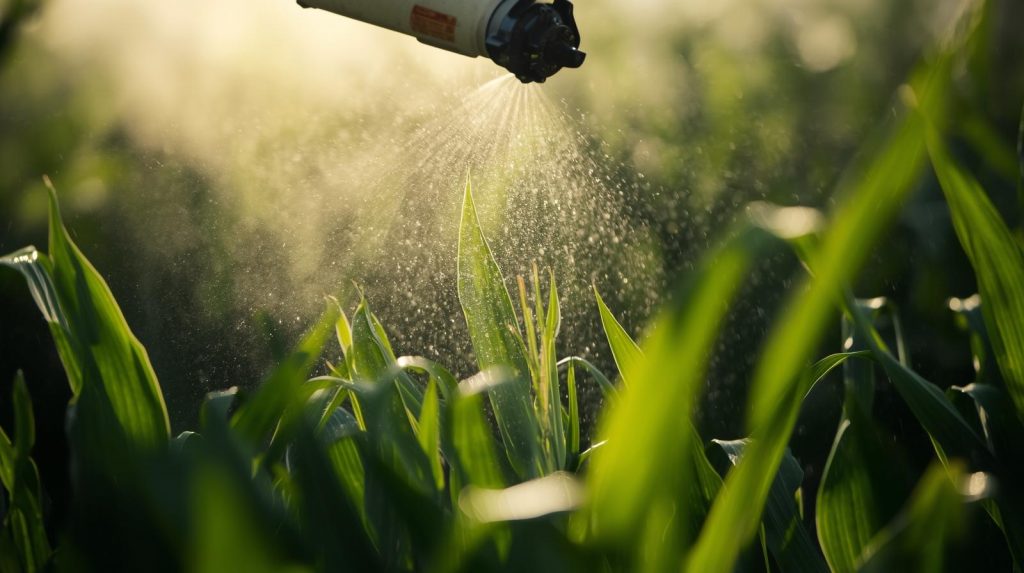
You can also explore our biostimulant products section to discover more solutions focused on soil health and plant nutrition.
Solutions for Iron Deficiency in Crops
Iron deficiency in crops is one of the most visible and frequent nutrient issues in agriculture — but also one of the easiest to prevent when addressing its true causes: soil balance and root health.
Taking care of the crop foundation, reinforcing soil structure, and stimulating plant activity are essential steps to maintain green, vigorous, and productive plants.
